drain cleaning Baton Rouge, LA
affordable drain cleaning Baton Rouge
<!DOCTYPE html>
Restoring Reliable Drainage for Historic Garden District Plumbing
Restoring Reliable Drainage for Historic Garden District Plumbing
Historic homes carry grace and character. In Baton Rouge, that includes aging drain lines, seasonal groundwater pressure, and hungry roots from Live Oaks and Magnolias. Reliable drainage in the Garden District depends on method, not luck. Cajun Maintenance approaches each system with local context, modern tools, and careful judgment. The result is stable flow, fewer surprises, and a system that matches the home’s long life.
Why Garden District drains act up more than newer lines
Drain cleaning in Baton Rouge, LA must contend with unique site conditions. East Baton Rouge Parish sits on alluvial soils that shift with rain and heat. A high water table raises and settles pipe runs over time. That movement forms low spots called bellies. Water and solids stall in those bellies and ferment. Hydrogen sulfide odors rise, and scale coats the walls. Heavy Gulf Coast rainfall adds exterior load. Catch basins and area drains work harder during storm bursts. A small obstruction becomes a backup in minutes.
Older sections of the Garden District and Spanish Town often include clay laterals and 1940s cast iron. Clay joints admit root hair through fine gaps. Cast iron corrodes from the inside and loses wall thickness. The surface gets rough, which grabs grease and lint. Live Oaks and Magnolias send roots through joints in search of moisture. That intrusion feels like a braided mass to a cable. Without a proper root cut, the mass returns. Newer PVC lines in South Baton Rouge face a different threat. Fats, oils, and grease from active kitchens cool and stick. Restaurants and busy homes near Perkins Road add load to grease traps and branch lines. FOG builds fatbergs that block four-inch mains in weeks, not years.
Each scenario calls for a different plan. A quick plunge may clear a single P-trap. A main sewer line with offsets needs a camera run, not guesswork. A grease-heavy line needs hydro-jetting at 4,000 PSI, not a hand snake. A root-bound clay lateral needs a rooter with the right blade and speed, not blind cutting that risks a cracked bell. Cajun Maintenance operates from that simple rule. Diagnose first. Clear right. Stabilize for the next season.
Local markers that help the diagnosis
Local addresses tell a story before the cleanout cover comes off. The zip codes 70806 and 70808 sit across tree-lined streets with clay and cast iron. 70801 and 70802 span older commercial laterals that mix root intrusion with traffic load. Mid City and Southdowns blend vintage and remodel-era PVC, which hides long runs with back-to-back turns. Broadmoor, Sherwood Forest, and Shenandoah carry larger lots and yard cleanouts that sit lower than the main, which masks early symptoms until a rain event. Student housing near LSU adds a high-use mix. Paper load and FOG increase at the same time. Property managers in that corridor often see gurgling toilets and slow floor drains during peak move-in months.
Stormwater behavior adds another layer. Many Garden District homes rely on small exterior floor drains near porches and garages. Those grates clog with fine oak leaves. A one-inch storm can flood a slab if the grate packs tight. The same home may have a basement or laundry area with a floor drain that ties to the main. A single wad of lint in that P-trap can mask a larger sewer lateral issue. Camera inspections reveal the truth. The lens confirms if the problem is local to a trap or systemic along the run.
How Cajun Maintenance approaches historic drainage in Baton Rouge
Cajun Maintenance treats each Garden District service as a one-off engineering problem. The team starts with access. A cleanout near the foundation makes main line clearing safer. If no cleanout exists, the team works through a roof vent or a pulled toilet, depending on the layout. Camera diagnostics follow when the symptom suggests more than a simple jam. Ridgid diagnostic cameras capture the profile of the line. The image shows standing water levels, scale, roots, offsets, and cracks. Markers on the cable record distance. That measurement helps plan spot repairs or lining later.
For root intrusion, the team uses Spartan rooter machines with the correct blade set. The goal is a clean pipe wall with minimal passes. Too slow, and the cable binds. Too fast, and the blade chews a joint. The operator listens to the tone and watches the feel through bends. For FOG and scale, the team deploys a US Jetting unit. The jetter scours pipe walls at up to 4,000 PSI with measured flow. Different nozzles target different problems. A warthog head cuts heavy fatbergs in commercial laterals near Perkins Rowe. A rotating head polishes cast iron tub arms without fighting every turn. Controlled passes matter. Too few, and grease remains. Too many, and time climbs with no benefit.
Sewer camera inspection closes the loop. After jetting or root cutting, the team records a second pass. The video confirms a return to full flow capacity. It also shows the true condition. A homeowner sees whether a belly sits at 42 feet, or a joint opens at 67 feet by the curb. From there, options include maintenance intervals, spot excavation, or trenchless solutions depending on soil, traffic, and budget. Baton Rouge’s alluvial soils allow trenchless lining in many cases. But a shallow clay lateral under soft lawn may favor an open trench with PVC replacement for long-term performance.
Real cases from the Garden District and nearby streets
A 1920s bungalow on Drehr Avenue reported periodic backups after rain. The cleanout sat near a live oak with a base over four feet wide. The first camera pass showed a root mat at 38 feet and a belly from 52 to 57 feet, with standing water at one-third pipe height. Spartan rooter service cut the mat in two passes. US Jetting followed with a polishing head to pull scale. The second camera pass showed clear wall texture and smooth flow. The homeowner approved a plan to monitor every six months. During the next dry season, Cajun Maintenance returned to excavate the belly under a low-traffic walkway and replaced a seven-foot section with schedule 40 PVC. No further backups have occurred through multiple storm cycles.
A Spanish Town duplex near 70802 faced gurgling toilets and a foul odor of hydrogen sulfide in the evenings. The odor suggested a partial blockage with anaerobic activity. The camera found a hairline crack across an old cast iron hub at 24 feet. A fine root beard hung across the flow line. A quick cable pass cleared the hair, but the hub needed more than a trim. The team cut the roots, then jetted at low pressure to protect the hub. A short-term enzyme maintenance with Bio-Clean helped slow regrowth without harsh chemicals. The owner scheduled a hub repair and installed a yard cleanout for safer future access.
A Southdowns kitchen line near Perkins Road showed repeat slow drains every few months. The branch tied a long run from an island sink through two 90s before the main. Heavy cooking and dishwashing increased FOG load. Snaking restored flow but failed within weeks. The shift to hydro-jetting solved the pattern. A 4,000 PSI pass with a rotating nozzle stripped soft grease and older scale. The crew followed with a camera pass to confirm a clear transition into the main. The owner moved to a simple practice. A pan for bacon drippings and scheduled hot water flushes after heavy meals. That habit, combined with annual jetting, kept the line stable for over a year.
Engineering detail that keeps Baton Rouge drains stable
Good drain service in the Capital Region depends on detail. Cable diameter should match pipe size and distance. A three-inch kitchen line does not want a half-inch cable run like a six-inch main. Blade selection matters with clay. A straight blade may skate over a joint and leave root hairs. A spiral root cutter grabs hair and cleans the wall. Speed matters. Effective RPM cuts fibers without chattering the joint. With cast iron, jetting angle and nozzle design protect remaining wall thickness. A controlled pass removes soft scale without overworking thin pipe. Flow volume matters through long runs. Higher gallons per minute carry debris, not only cut it.
Soil shift diagnosis is another key. Baton Rouge’s alluvial soils swell with rain and shrink with heat. That cycle tilts pipe bedding and forms offsets at joints. A camera identifies an offset by showing a ledge and irregular shadow. The operator notes water level before and after the offset. If the level rises, the offset reduces capacity. If the shadow suggests a dropped hub, open trench repair may be the correct choice. Lining over a sharp offset can leave a lip that catches solids. Cajun Maintenance advises based on the actual picture, not a guess.
Cleanout access sets the stage for fast response. Many Garden District homes lack a proper cleanout at the right distance. Installing a two-way cleanout with proper slope saves time and protects fixtures. A toilet pull has its place, but a main line cable through a closet bend risks porcelain damage and poor control. A cleanout at 18 to 24 inches below grade, with a correct cap, makes midnight service safer and faster.
Common symptoms that point to main line trouble
Small clogs announce themselves. A single bathroom sink slows. A tub drains with a slight swirl. Main line problems speak louder across the house. Patterns matter more than a single event. A clogged toilet with a gurgle in a nearby shower points to the sewer lateral. Standing water in a floor drain near a laundry group suggests a shared restriction. A rotten egg odor near a floor drain signals trapped water that turns anaerobic, often due to a belly. In Baton Rouge neighborhoods with heavy tree cover, root intrusion remains the most frequent root cause after rain, especially in 70806 and 70808.
Quick homeowner snapshot for early action
- Multiple fixtures slow at the same time, across different rooms
- Toilet gurgles when a nearby shower or tub drains
- Recurring kitchen blockage after large cooking days, hinting at FOG
- Foul odors of hydrogen sulfide near floor drains or basements
- Backups that align with heavy rain or lawn irrigation cycles
These signs warrant a camera inspection rather than repeated snaking. A clear picture saves time and protects older pipe that should not take unnecessary passes.
Hydro-jetting and rooter service for Baton Rouge lines
Cajun Maintenance offers a full drain cleaning program in Baton Rouge, LA built for both vintage and modern systems. Rooter service tackles aggressive roots from Live Oaks and Magnolias that invade clay joints in the Garden District and Spanish Town. Hydro-jetting restores capacity in grease-prone lines elsewhere in the parish. Sewer camera inspections guide both methods. The team clears main line backups, clogged toilet situations, kitchen sink blockages, and floor drain maintenance issues. Each service integrates with the home’s actual layout, not a one-size script.
Hydro-jetting runs at controlled pressure. On a typical four-inch main with heavy grease, 3,500 to 4,000 PSI with a 6 to 9 GPM flow moves debris toward the cleanout without blowing past a blockage and leaving it behind. On fragile cast iron, lower pressure with the right head protects thin sections. Post-jet video proves the result before the hose comes back to the truck. That confirmation strengthens long-term planning and reduces the chance of a surprise callback.
Garden District quirks that change the playbook
Setback distances vary block to block. Some homes sit deep on a lot. Others rest close to the curb. That distance affects cable length and machine choice. Older remodels introduce odd bends. A kitchen island added in a 1985 update may include back-to-back turns that catch cable heads. Roof vent access can be practical in those cases. Seasonal roots track irrigation lines. A lawn with heavy sprinkler use during August heat can draw roots faster into nearby seams. A homeowner may notice a summer spike in slow drains before fall leaf drop. That pattern helps set service timing.
Floor drain behavior deserves attention during storm prep. Before a Gulf rain event, Cajun Maintenance recommends a quick exterior survey. Clear porch and patio drains of leaves. Confirm that catch basin grates near driveways show open slots. A ten-minute pass with a hand scoop can prevent a slab flood that saturates carpet and baseboards. For property managers near LSU, that prep includes shared laundry floor drains and garage trench drains. Keeping those points clear protects multiple units across one storm cell.
Codes, licensing, and safety in East Baton Rouge Parish
Cajun Maintenance operates under the Louisiana State Licensing Board for Contractors standards. The team is licensed and insured for residential and commercial drain cleaning across East Baton Rouge Parish. Background-checked plumbers arrive with shoe covers and drop cloths. Worksites stay clean. Upfront pricing sets the scope before the first tool runs. Same-day service is common across 70806, 70808, 70809, 70810, 70816, and 70817. 24/7 emergency response covers late-night backups in Mid City, early morning kitchen clogs in Shenandoah, and weekend sewer camera inspections after a surprise overflow in Southdowns.
Equipment quality supports that standard. Ridgid cameras deliver crisp imaging across long runs. Spartan rooter machines pair torque with control for dense root masses. US Jetting units maintain stable pressure with the right flow for debris carry. Bio-Clean treatment joins the plan where enzyme support helps between service calls. Grease trap checks help restaurants and multi-unit properties along the Mississippi River corridor keep compliance and flow.
Edges cases and trade-offs the crew explains on site
Older cast iron sometimes crumbles at the touch. A cable passes, but the wall flakes under light pressure. In those cases, the operator stops. Jetting at high pressure could open a hole. The better path is a low-pressure rinse, then a camera check for remaining wall integrity. From there, the plan may shift to spot repair or lining. The trade-off is clear. Limited clearing today to avoid a hazardous blowout, then a scheduled fix under controlled conditions, not an emergency in the rain.
Clay laterals in tree-heavy yards present another choice. A clean root cut restores flow today, but regrowth is certain if a joint remains open. A barrier treatment or a repair at the worst joint extends the service window. Costs differ. So do risks. Cajun Maintenance lays out options with video proof, footage markers, and likely intervals. The homeowner decides based on use patterns, budget, and timing. Rentals near campus with constant load may justify a stronger fix sooner. A low-occupancy home may run on a maintenance interval through a season with no issue.
Bellies invite debate. A small belly with two to three feet of standing water may operate fine with clean walls. A deep belly across ten feet will trap solids and trigger odors. Jetting clears a belly, but water still pools. The long-term choice is either regrade with spot excavation or live with a service interval that matches use. Baton Rouge’s soil movement will continue. A correct bedding under replacement sections limits repeat settlement, but cannot erase regional soil behavior. Good records help track trend lines over time.
Commercial and multi-unit realities near LSU and Perkins Rowe
Property managers near Louisiana State University face stacked move-in dates, heavy weekend use, and sudden call spikes. Gurgling toilets in several units often trace to a partial main blockage at a common tie-in. Cajun Maintenance deploys camera gear and jetting after hours when needed. A short window with 24/7 response prevents a Monday flood. For food service near Perkins Rowe and along the Bluebonnet corridor, grease trap health ties directly to main line flow. Missed pump intervals increase FOG in branch lines. Hydro-jetting becomes more frequent and longer. A simple calendar for trap service reduces downstream costs and protects capacity during peak dinner hours.
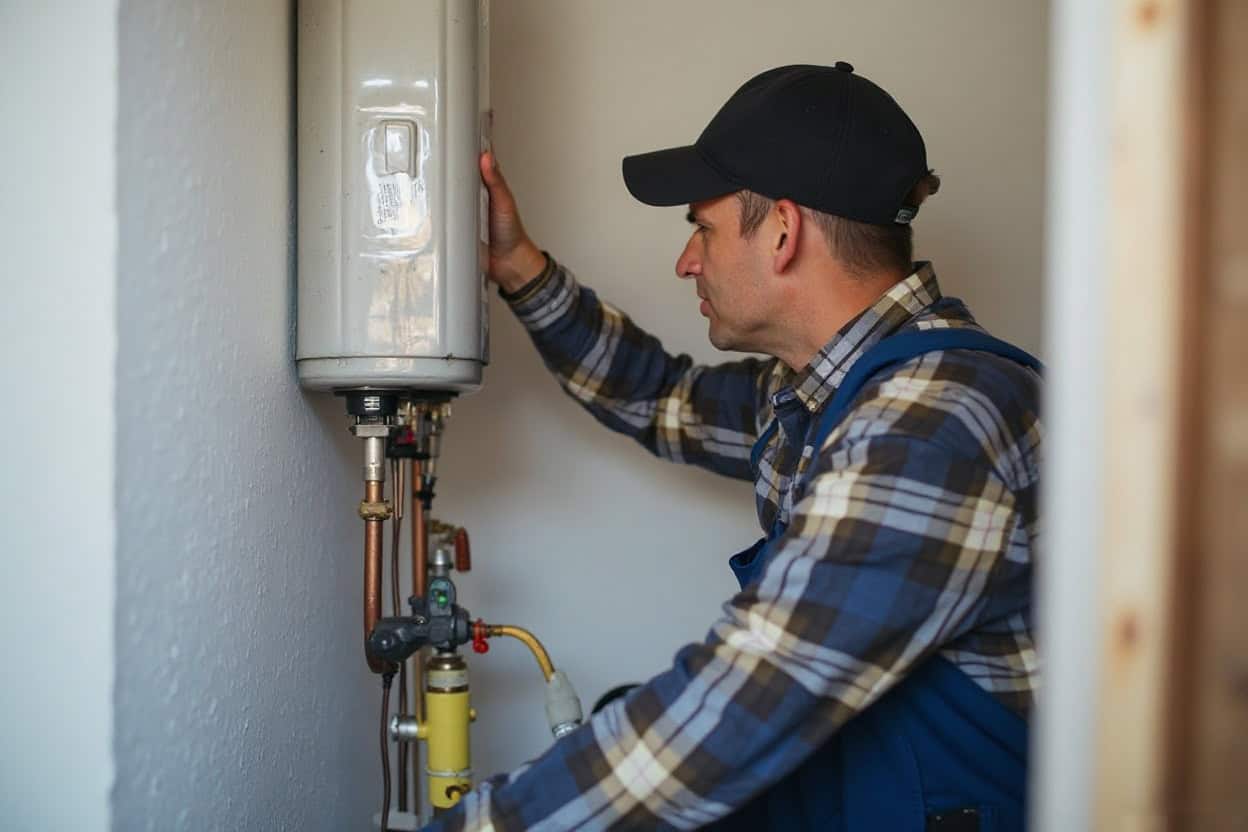
Retail spaces along the Mississippi River corridor and Mid City corridors often contain floor drains that see debris from mopping and fine grit. Those drains dry out when stores close for a season. The result is a dry P-trap and rise of sewer gas odors. A routine water fill solves the odor source. If odor persists, a camera check near the floor drain confirms no standing debris or a broken trap arm. Maintenance programs at a quarterly pace keep those nuisance calls low.
What homeowners and facility teams can do between visits
Good habits extend the benefit of a professional clearing. Grease belongs in a container, not a sink. Strainers in kitchen and bath drains catch hair and food bits. Hot water flushes after large cooking loads keep FOG softer and less likely to stick. Washing machine lint screens keep floor drains happier, especially in older laundry rooms that share a branch with a nearby bath group. A brief check of exterior yard drains before predicted Gulf storms reduces flood risk and the chain reaction that follows water entry into a slab home.
In Baton Rouge neighborhoods with dense canopies, a seasonal camera check each spring or fall pays for itself. Roots surge as soil warms. Soil also shifts after saturated winter months. A quick look at the sewer lateral verifies that the prior year’s cut still holds. If root hairs show early, a brief rooter visit now prevents a 2 a.m. Backup during a July rain.
Service scope with Baton Rouge specificity
Cajun Maintenance covers drain cleaning across Baton Rouge, LA with 24/7 rooter and hydro-jetting support. The crew clears main sewer lines, kitchen sink clogs, clogged toilets, and floor drain blockages. Sewer camera inspections inform each choice, from Mid City bungalows to South Baton Rouge remodels. Service reaches the Garden District, Spanish Town, Sherwood Forest, Broadmoor, Perkins Rowe, Southdowns, and Shenandoah. Zip codes include 70801, 70802, 70806, 70808, 70809, 70810, 70816, and 70817.
Capabilities built for East Baton Rouge Parish
- Sewer camera inspection with Ridgid imaging for bellies and offsets
- Spartan rooter service for Live Oak and Magnolia root intrusion
- US Jetting hydro-jetting up to 4,000 PSI for FOG and scale
- Main line clearing, clogged toilet repair, and kitchen sink unclogging
- Floor drain maintenance for storm and interior drains
Each visit includes a clear scope, a clean worksite, and a final test of flow through fixtures. Where needed, the crew documents findings and provides video files for records or insurance.
Signals that support real value and trust
Cajun Maintenance operates with a simple promise. Arrive prepared. Diagnose with the right tools. Clear with methods that fit the line. Communicate with proof. The team is licensed and insured in Louisiana, with background-checked plumbers who respect the home and the schedule. Upfront pricing removes surprise. Same-day service is available across the Capital Region. That structure serves homeowners and property managers who value quick, correct action over repeat guesswork.
Map Pack signals matter to neighbors who search under stress. The company’s record across Baton Rouge reflects on-time arrivals, strong first-pass clears, and documented camera results. Those details explain why drain cleaning in Baton Rouge, LA by Cajun Maintenance stands out in local searches, for both historic Garden District addresses and growth corridors in South Baton Rouge.
Technical FAQ from recent Baton Rouge service calls
How far can a camera inspection reach in a typical Garden District lot? Many laterals range from 40 to 90 feet from cleanout to city tie. Ridgid systems with standard reels cover that run without problem. The operator tracks distance to correlate defects with surface markers. Where the lateral exits under a large Live Oak, the camera can confirm if roots enter near that root ball or farther downstream at a joint.
What pressure is safe for older cast iron during hydro-jetting? Pressure selection depends on pipe condition. For thin-wall cast iron with heavy rust, the operator uses lower pressure and a spinning head that spreads force. 1,500 to 2,500 PSI can suffice when combined with slow, steady pulls and generous flow to carry debris. Afterward, camera footage confirms wall integrity rather than relying on feel alone.
Can a belly be fixed without excavation? A minor belly may be managed with scheduled jetting and careful use habits. Lining can bridge slight sags, but sharp bellies trap resin and reduce bore. Excavation remains the durable fix for deep bellies that hold water. Baton Rouge soil allows focused trenching in many yards without full lawn loss. Cajun Maintenance advises case by case using footage, depth, and location relative to trees or drives.
Is enzyme treatment worth it for FOG-heavy homes? Enzymes like Bio-Clean help when used as support, not as a cure. They reduce soft buildup between professional cleanings. They do not remove hard scale or solve a structural defect. Used nightly for a period, they can extend the interval between jetting in kitchens that see frequent frying.
What about sewer gas odors near floor drains during dry spells? A dry P-trap allows hydrogen sulfide odors to enter living spaces. A cup or two of water restores the seal. In Baton Rouge summers, traps evaporate faster. A few drops of mineral oil on top of the water in the trap slows evaporation and holds the seal longer. If odor returns quickly, a camera check confirms no hidden obstruction or cracked trap arm.
How Cajun Maintenance supports storm readiness
Heavy rainfall defines life along the Gulf. Baton Rouge homes need clear exterior drains to protect interiors. Cajun Maintenance offers pre-storm checks for exterior floor drains, patio drains, and catch basins. The crew vacuums debris and verifies flow to the main. For properties with previous flood entry, the team traces the drain path to confirm no cross-connection that could backflow under pressure. That attention, paired with clean gutters and downspouts, keeps water where it belongs during flash events.
Commercial properties along the Mississippi River corridor and near Mid City benefit from combined interior and exterior drain audits. A blocked exterior grate can push water toward loading areas where floor drains connect to sanitary systems. During a deluge, that water volume stresses the main. Clearing grates before the first squall keeps downstream lines in control.
The Baton Rouge advantage: local knowledge, correct tools
Garden District homeowners value service that respects the home’s age and layout. Cajun Maintenance brings local judgment to each call. The team understands how East Baton Rouge Parish soils treat laterals during wet and dry cycles. They recognize the signature feel of a Live Oak root ball through a cable. They select the correct Spartan cutter and the right US Jetting nozzle. They confirm results with a Ridgid camera rather than guess from a flush. That rhythm turns a stressful backup into a clear plan. It also guides long-term decisions that make sense in Baton Rouge, not in a generic manual.
The same approach serves Spanish Town, Mid City, Broadmoor, Sherwood Forest, Shenandoah, Perkins Rowe, and Southdowns. Each area brings its own details. Cajun Maintenance logs those details over thousands of feet of camera footage and service records. That data supports faster diagnosis and fewer callbacks. It also produces straightforward advice that homeowners can act on without surprise.
Ready for reliable flow in a historic home
Aging pipes do not mean constant trouble. They mean thoughtful service. For drain cleaning in Baton Rouge, LA, Cajun Maintenance offers 24/7 rooter and hydro-jetting, guided by sewer camera inspection and backed by licensed, insured professionals. Main line clearing, clogged toilet repair, kitchen sink unclogging, and floor drain maintenance all live under one roof. The team respects the Garden District’s character and solves its drainage with methods that fit both the soil and the season.
Homeowners and property managers who need fast, careful help can count on a clear quote, a clean worksite, and video-verified results. For immediate help, contact Cajun Maintenance and request same-day service. For planned maintenance or a pre-storm drain check, schedule a visit that fits the week. Baton Rouge drains run better with local hands on local lines.
Cajun Maintenance. Trusted Plumbers in Baton Rouge, LA
Cajun Maintenance provides professional plumbing services in Baton Rouge, LA, and surrounding areas. Our licensed plumbers handle leak repairs, drain cleaning, water heater installation, and full bathroom upgrades. With clear pricing, fast service, and no mess left behind, we deliver dependable plumbing solutions for every home and business. Whether you need routine maintenance or emergency repair, our certified technicians keep your water systems running smoothly.
Cajun Maintenance
11800 Industriplex Blvd, Suite 7B
Baton Rouge,
LA
70809
USA
Phone: (225) 372-2444
Website: cajunmaintenance.com
Social: Yelp
Find Us on Google: Baton Rouge Location
Licenses: LMP #6851 | LMNGF #9417 | LA COMMERCIAL LIC #68719
Cajun Maintenance. Reliable Plumbing Services in Denham Springs, LA
Cajun Maintenance serves Denham Springs, LA, with full-service plumbing solutions for homes and businesses. Our team manages leak detection, pipe repairs, drain cleaning, and water heater replacements. We are known for fast response times, fair pricing, and quality workmanship. From bathroom remodels to emergency plumbing repair, Cajun Maintenance provides dependable service and lasting results across Denham Springs and nearby communities.
Cajun Maintenance
25025 Spillers Ranch Rd
Denham Springs,
LA
70726
USA
Phone: (225) 372-2444
Website: cajunmaintenance.com
Social: Yelp
Find Us on Google: Denham Springs Location
Licenses: LMP #6851 | LMNGF #9417 | LA COMMERCIAL LIC #68719